jump to main contentgo to Marketquest home
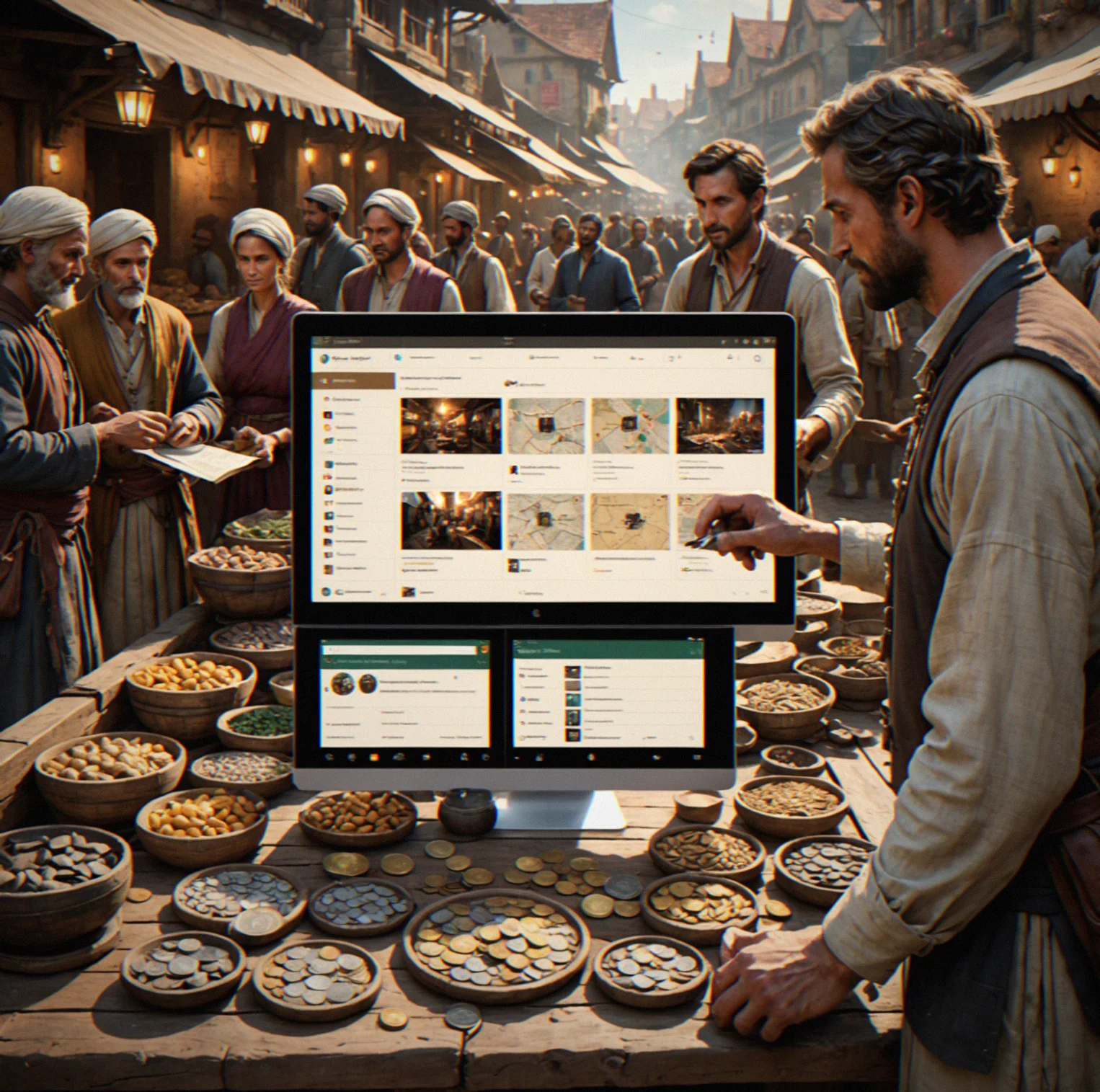
The trading interface showing market data from multiple regions, your current inventory and price trends across your merchant routes
Strategy Trading Sim

Outplay the market and your competition

Build your fortune by reading supply, demand, and timing.

Marketquest puts you in charge of a merchant operation where smart decisions pay off and bad ones hurt. The core loop is straightforward—buy low, sell high—but the actual execution gets complex fast. You're managing inventory across different regions, watching NPC merchants make their own moves, dealing with seasonal price shifts and figuring out when to hold your goods and when to liquidate before the bottom drops out. There's no fighting, no twitch reflexes, just the satisfaction of knowing you outthought your rivals through better planning, sharper negotiation, and capital discipline.

Download NowTry Sandbox Mode
How It Works

The systems that drive your decisions

Running a merchant operation in Marketquest means juggling inventory across anywhere from four to eight regions at once. You buy cloth up north where the looms are drowning in supply. Then you ship it south where a textile mill fire last season left them scrambling. But here's the catch—storage runs you about 12 gold per unit every month. Sit on goods too long and that's eating straight into your profit. Undersell and some rival merchant swoops in and fills the void the next week. The numbers never stop.

NPC merchants aren't following a script. They negotiate based on your history with them, what the market's doing right now and how desperate they are to move stuff. Offer 15 gold per ore and they'll walk away. Jump to 18 and they bite—but now you've sliced your margin by a fifth. Some hold grudges too. Cheat one merchant and they'll refuse to trade with you for a full year of game time. Others are so eager to clear inventory they'll take a terrible deal just to free up space.

Price swings can wreck your whole plan. A trade war locks up the coastal routes for six weeks and suddenly spices are worth almost half again what they were. A rival caravan dumps wool on the market and prices crater by nearly a quarter overnight. That stockpile you're holding just hemorrhaged value. Or it became the perfect thing to dump on someone else who's panicking to restock.

Inventory as a liability

Storage drains your budget every month. Hold too long and you're throwing profit away on rent. Dump it too fast and you never see what it could've sold for.

Dynamic price curves

Supply and demand shift depending on what NPCs are doing, seasonal swings, random events that shake things up, and how regions depend on each other. Nothing stays predictable.

Merchant relationships matter

Deal fairly with an NPC over time and they start offering you better rates. Cross one and they'll remember it. Trust opens doors that money alone won't.

Capital efficiency is everything

Every gold you tie up in stock is gold you can't use to expand routes, buy permits, or handle unexpected crises. Stretch yourself too thin and you're vulnerable. Spend loose and you'll hit zero fast.

Route defense through economics

Competition isn't won with swords. You beat rivals by undercutting, making allies out of NPCs, or locking down exclusive deals for key goods.

Permadeath campaigns available

Go bankrupt once and your save is gone. For anyone who actually wants to feel the weight of their decisions.

What makes Marketquest different

Eight core mechanics that separate strategy from clickfests

Price chart showing sudden market fluctuations across multiple commodity types

Price volatility you can't predict

Markets swing wildly—we're talking 15 to 40 percent swings per season—based on what NPC merchants are doing, regional supply shocks and random events that throw everything off. A trade war cuts off routes. Bandits hit caravans. Some noble dies and suddenly trade policy flips. You either adapt or you're done.

Warehouse management interface showing inventory levels and monthly storage costs

Storage is a cash sink

Holding onto goods costs you monthly rent. Get too much sitting in your warehouse and you're hemorrhaging gold on fees while your margins shrink. It forces real tradeoffs: dump it now at a loss or hope prices climb before the bill arrives.

Merchant dialogue interface showing relationship history and reputation scores

NPC merchants have memory

Cheat someone and they'll freeze you out for months afterward. Treat them fairly and they'll give you better deals next time around. It all compounds—good relationships build on themselves, but betrayal sticks.

Balance sheet showing capital allocation, inventory costs, and available liquidity

Capital efficiency determines survival

You start lean. Every gold piece you sink into inventory is money you can't use anywhere else. Expand your routes too aggressively and you'll run dry on operating capital. Play it too safe and competitors grab all the market while you're stuck on the sidelines.

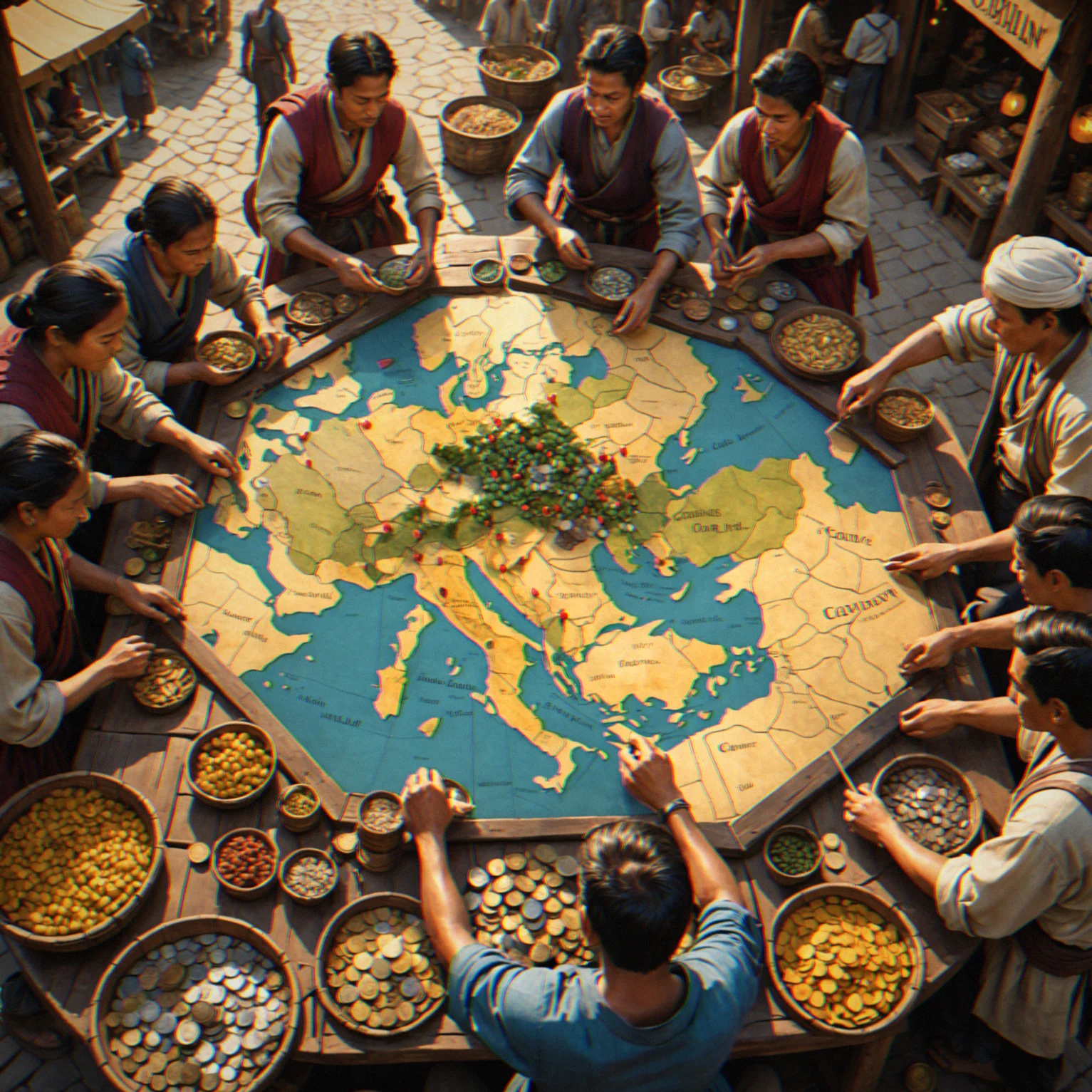
Regional trade map showing interconnected markets and resource flow between territories

Regional interdependencies create emergent play

Too much grain flooding the northern markets crashes prices everywhere. Spice gets scarce on the coast, which opens up opportunities inland. One region's problem becomes another region's goldmine. The whole system breathes and shifts. You're always hunting for patterns.

Negotiation interface showing deal terms, competitor positions, and contract options

Negotiation beats brute force

There's no combat here, no leveling trees. You beat competitors by undercutting them, locking down exclusive supply deals, building loyalty with merchants, and timinng your moves right. It's all about being smarter.

Trade route network visualization showing active routes and competitor interference

Route control matters

Claim trade routes between regions and keep them through economic leverage. Someone undercuts you? You lose that edge. Stay on good terms with regional powers and you hold onto your advantage. Routes are where the real profit lives.

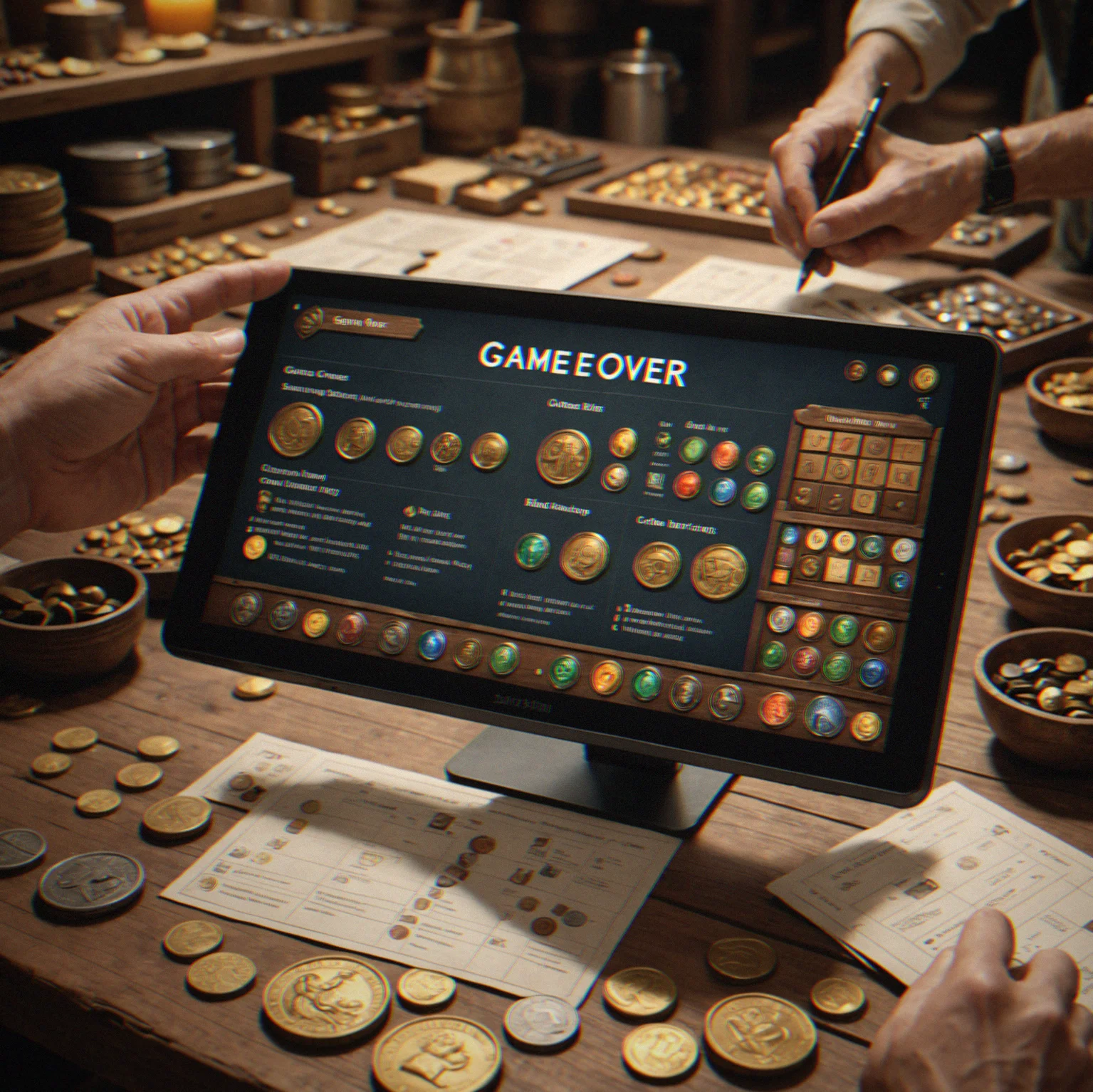
Game over screen showing bankruptcy notice and campaign statistics before deletion

Permadeath campaigns with real stakes

Go broke and that's it—your save file's gone. Some people actually want consequences that matter. If that appeals to you, there's a hardcore mode waiting.

Why players stick around

What makes Marketquest different for people who actually like strategy

You think, not grind

Everything you do compounds into something. You're not sitting around waiting for timers or collecting resources mindlessly. Instead you're watching inventory, tracking prices, keeping tabs on what competitors are doing, and figuring out what you can actually afford. It's a puzzle, not a chore.

Markets that actually move

Supply and demand aren't just flavor text. When crops fail in one area, it changes everything across the whole map. NPCs make their own decisions and cause problems you have to solve. There's no pattern to memorize and spam forever.

NPCs hold grudges

Rip off a merchant and they don't forget. Treat them fairly and you get better deals. You can't just power through the economy with brute force. Long-term reputation matters, and it takes dozens of hours to build real relationships.

Ruthlessness works

The game doesn't judge how you play. Want to undercut someone until they go broke? Go ahead. Lock down exclusive deals. Team up with NPCs to corner a market. The system rewards aggressive moves when you actually know what you're doing.

You set the difficulty

Move fast and risk everything. Move slow and watch others pull ahead. Sandbox mode lets you tweak the economy itself. Adjust how wild prices swing, what NPCs do, how much money you start with, where regions are. Make the game fit what you want to learn.

$$$

Watch the systems work

Here's what three moments of Marketquest actually look like. Regional markets colliding. NPCs haggling over deals. You making the calls.

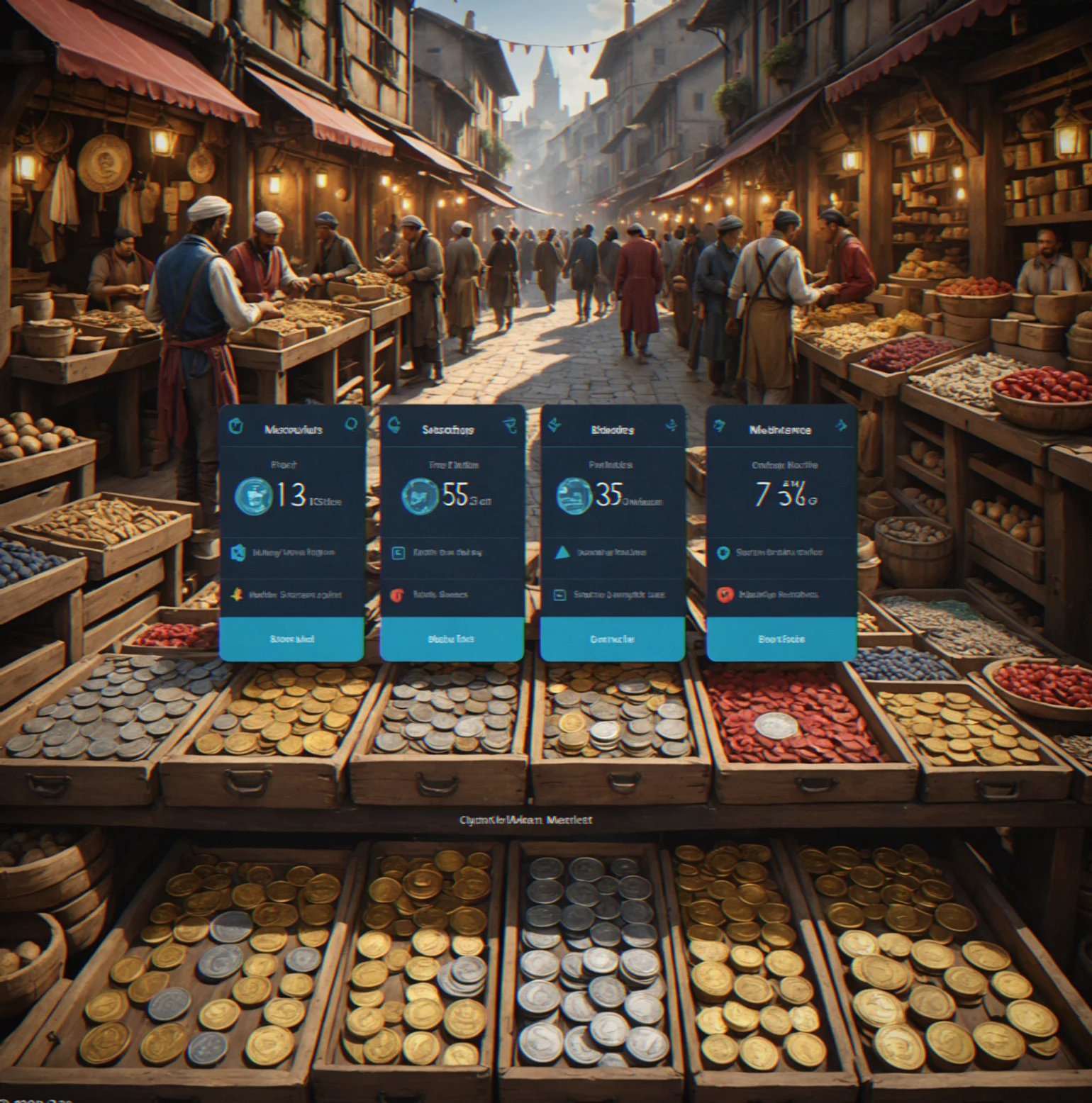
Trade interface showing 5 regional markets with live price data, inventory levels across warehouses, and active merchant routes highlighted in blue and red

Prices shift the moment supply moves — regional markets tick along in real time

Negotiation dialogue screen with an NPC merchant showing pricce offer, available quantity, relationship history spanning twelve prior transactions, and player choice between accept or counter-offer

Every merchant keeps score. Your reputation shapes what deals you'll get next

Dashboard view displaying warehouse storage costs, current capital balance, profit and loss chart for last 6 months, active routes with margins, and upcoming bills due in three days

Money is always moving — storage eats into profits, bills come due, routes have margins that matter

Common Questions

Things people actually ask

Most campaigns land somewhere between 40 and 100 hours, depending on how hard you push and whether you grab the expansions. Here's what comes up constantly.

Nope. You're not swinging anything or leveling up. Everything's economics—undercutting competitors, locking in supply deals, knowing when to move. If you came here to fight people, wrong game.

Story mode walks you through the regions in order and takes roughly 40 to 60 hours. Sandbox? That's on you. Some people wrap it in about 35; others stretch it past 100 because they're chasing some specific economic goal or trying to pull off a permadeath win.

Absolutely. Single-player only, no internet needed, no always-online nonsense. Download and play whenever.

The campaign ends. Easy mode gives you one bailout to recover from a mistake. Normal and hard? You're finished. Permadeath mode nukes your save file entirely. A single bad decision can wipe out 8 hours of work.

Not at all. The game teaches you supply and demand just by playing it. That said, if you've actually studied microeconomics or worked with supply chains, the systems click into place way faster. You'll read the board and spot what's broken before anyone else.

Yeah, full modding. Tweak price swings, how aggressive NPCs are, which regions you start in, your opening capital, tax structures. Design the economy you want to learn on and share it with others.

The skeleton's similar—supply chains, merchants you negotiate with, regional markets, economic competition. But Marketquest pushes the simulation further. NPCs have more personality variance, regions depend on each other in messier ways, and merchant behaviors start feeding back into the economy in unpredictable patterns. It's not a follow-up; it stands on its own.

Difficulty scales to match you. Story mode eases you through the opening and doesn't punish early mistakes too hard. Sandbox lets you dial down price swings, reduce how cutthroat NPCs play, start with more cash. You basically can't trap yourself in an unwinnable spot unless you're deliberately trying to.